
“We don't simply believe in biological dentistry — we study it.”
Integrative Biological Dentistry
Where Modern Dental Science Meets Whole-Body Wellness
At Sai Holistic Dental Care, we believe oral health is an integral part of whole-person health. Our approach combines contemporary dental science with biological dentistry and holistic healing principles to provide personalised care for the individual, not simply treatment for a tooth.

What Is Biological Dentistry?
Biological dentistry is an approach to dental care that looks at the mouth as part of the whole body. It builds upon modern dental science while giving additional attention to the biological environment of the mouth, the materials used in treatment, preservation of healthy tissues, prevention, healing and the relationship between oral and overall health.
Instead of looking at a tooth as an isolated structure, biological dentistry considers the tooth together with the surrounding gums, bone, nerves, blood supply, oral microorganisms and supporting tissues. The question is not only, "How can we repair this tooth?" It is also, "How can we achieve the necessary dental result while respecting the patient's biological environment as much as reasonably possible?"
Biological dentistry is therefore not simply a collection of alternative treatments. It is a broader way of looking at diagnosis, treatment planning and prevention.
What Is Integrative Biological Dentistry?
Biological Dentistry looks beyond conventional dental treatment and considers the biological environment of the mouth, biocompatibility, preservation of healthy tissues, prevention, healing and the relationship between oral and overall health. Integrative biological dentistry is two steps after biological dentistry.
At Sai Holistic Dental Care, we build upon these principles by bringing appropriate whole-person and holistic approaches together with modern dental science with biological dentistry and our designed inhouse integrative healing for individual.
This is what we call Integrative Biological Dentistry. It does not replace Biological Dentistry. It builds upon it.
MODERN DENTAL SCIENCE
Evidence-based diagnosis, treatment and dental technology
BIOLOGICAL DENTISTRY
Biocompatibility, tissue preservation, prevention and biological healing
HOLISTIC & WHOLE-PERSON CARE
Nutrition, lifestyle, wellbeing and appropriate supportive CAM (Contemporary Alternative Medicine)approaches
INTEGRATIVE BIOLOGICAL DENTISTRY
Bringing these perspectives together in one coordinated approach to the individual.
+
+
=
Our Approach
At Sai Holistic Dental Care, we follow an Integrative Biological Dentistry approach, combining modern dental science and biological dentistry with appropriate holistic and whole-person support according to the individual patient’s needs.
How Is Biological Dentistry Different From Contemporary Dentistry?
Contemporary Dentistry
Contemporary dentistry provides highly effective methods for treating dental disease and restoring oral function through advances in diagnosis, prevention, restoration, and surgery.
It primarily asks: 'What is the dental problem, and what treatment will correct it?'
Biological Dentistry
Biological dentistry adds another layer of consideration to these advances. It asks: 'What are the available options, how will they affect surrounding tissues, what materials are involved, and how much healthy structure can be preserved?'
The difference is about expanding the clinical perspective for the individual.
Biological dentistry builds upon modern dentistry while adding a biological perspective to treatment decisions.

MERCURY AMALGAM
At Sai Holistic Dental Care, we do not place new mercury amalgam fillings. We follow a mercury-free approach to restorative dentistry and consider alternative restorative materials such as fluoride and BPA free ceramics and according to the clinical requirements of each tooth.
Where Biological Dentistry Takes a Different Approach
The difference becomes especially clear when we look at some of the materials and procedures commonly used in dentistry.

ROOT CANAL TREATMENT
At Sai Holistic Dental Care, we do not routinely perform conventional root-canal treatment. We prefer root canal alternative fillings options but when a tooth has severe pulpal or periapical disease, we evaluate the tooth, surrounding tissues and available options and discuss appropriate alternatives where clinically possible.

BIOCOMPATIBLE MATERIALS
We give thoughtful consideration to the materials used in dental treatment. Depending on the clinical situation, metal-free ceramic and other restorative options may be considered according to function, strength, aesthetics, durability and individual biological considerations.

Root Canals: Why Biological Dentistry Takes a Different View
Root-canal treatment is an established procedure in contemporary dentistry used to retain teeth with severely inflamed, infected or non-vital pulp.
Biological dentistry takes a more cautious approach to deciding whether a root-canal-treated tooth is the appropriate long-term option for an individual patient.
The biological perspective considers questions such as:
• Can the natural tooth be predictably maintained without root-canal treatment?
• Is the tooth structurally and periodontally restorable?
• What is the condition of the surrounding bone and tissues?
• What treatment alternatives are available?
• What are the potential benefits, limitations and long-term considerations of each option?
At Sai Holistic Dental Care, we do not routinely perform conventional root-canal treatment.
When a tooth requires evaluation, we assess the tooth and surrounding structures and discuss appropriate treatment options with the patient. Where clinically possible, alternatives to conventional root-canal treatment may be considered.
The decision should always be individualised. Not every tooth or patient is the same.
Our approach is to evaluate the whole clinical situation before deciding how a compromised tooth should be managed without emphasising on Root Canal Treatment.
What Does a Biological Dentist Consider?
Biological dentistry gives additional attention to several factors when evaluating a patient's dental health and treatment options.

PRESERVING NATURAL TISSUES
Preserving natural tooth structure, periodontal tissues and supporting bone is a core principle of modern minimally invasive dentistry. Whenever clinically appropriate, treatment is planned to maintain as much healthy tissue as possible while ensuring long-term function, stability and oral health.
ORAL–SYSTEMIC CONNECTION
The oral cavity is closely connected to overall health. Biological dentistry considers the role of oral inflammation, periodontal health, microbiome balance, nutrition and systemic conditions in maintaining both oral and general well-being.

MINIMALLY INVASIVE CARE
Treatment approaches are selected with the goal of being as conservative as clinically appropriate. This means addressing disease effectively while reducing unnecessary removal of healthy tooth structure and supporting tissues, in line with evidence-based minimally invasive dental principles.

PREVENTION
Preventive care is central to long-term oral health. Understanding the underlying causes of dental disease—such as diet, oral hygiene, lifestyle factors and microbial balance—is considered essential for reducing the risk of future dental problems.
BIOCOMPATIBILITY
Dental materials are evaluated not only for strength, durability, function and aesthetics, but also for their biological compatibility with oral tissues. Consideration is given to how materials interact with the body, individual sensitivities, and long-term clinical performance.

INDIVIDUALISED CARE
Each patient is unique. Treatment planning takes into account medical history, oral health status, sensitivities, lifestyle factors, and personal preferences, ensuring that care is tailored appropriately to the individual’s clinical needs and circumstances.
Why We Do Not Place Mercury Amalgam
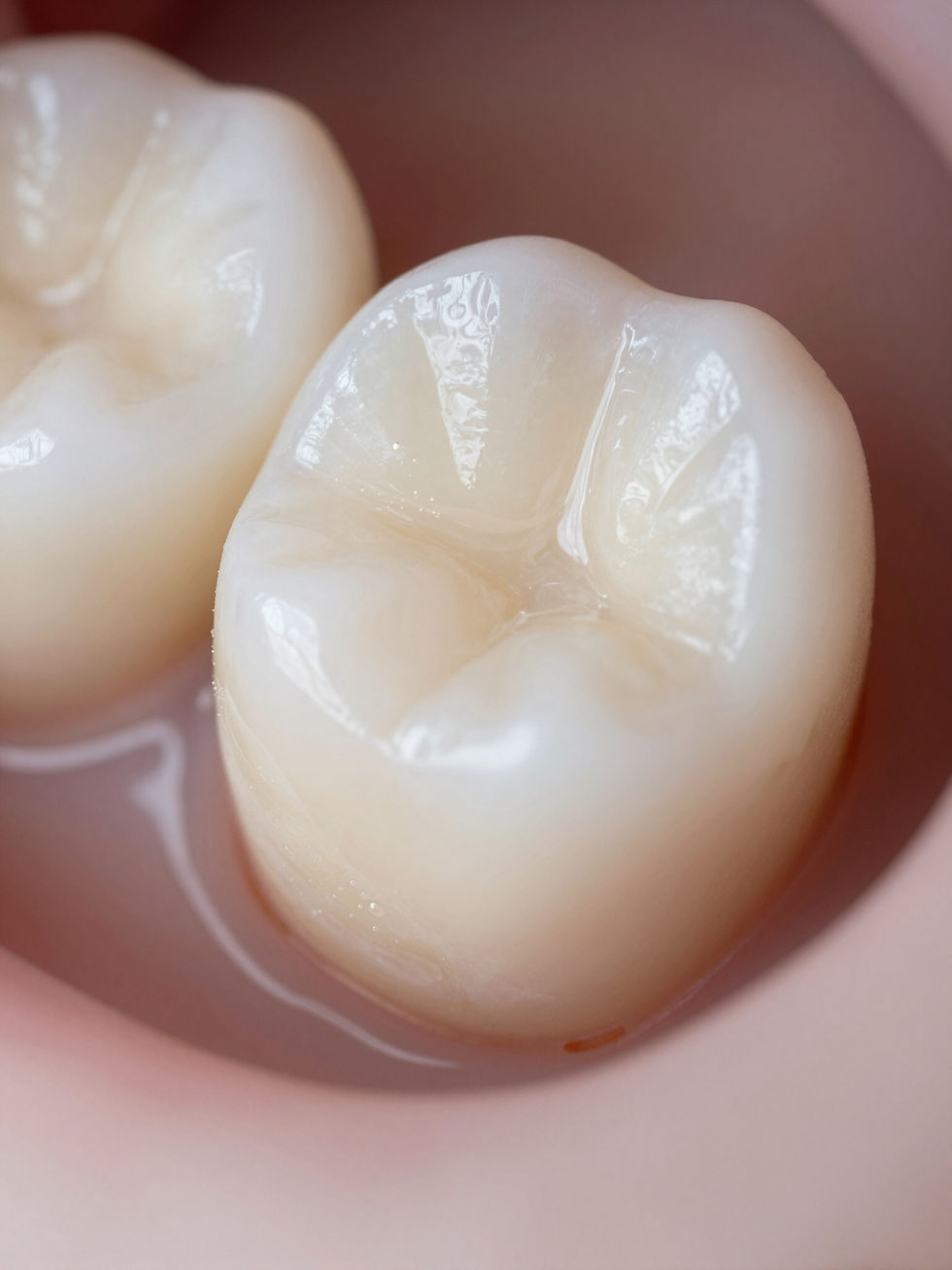
Traditional dental amalgam is a restorative material that contains elemental mercury together with other metals. Because of concerns surrounding mercury exposure and its systemic toxicity and biological dentistry places particular emphasis on material selection and biocompatibility, our clinic follows a mercury-free and mercury safe restorative philosophy. We do not place new mercury amalgam fillings. For patients who already have amalgam restorations, the decision to remove or replace them should be based on an individual choice with clinical assessment rather than a one-size-fits-all approach. When amalgam removal is clinically indicated, appropriate precautions are taken to minimise exposure during the procedure. Replacement options which are fluoride free, BPA free and are biocompatiable, can then be considered according to the condition of the tooth, function, aesthetics, durability and individual patient factors.
Our model: Mercury-free and mercury- safe restorative dental care
Why Patients Choose Biological Dentistry?
Biological dentistry offers a health-centered alternative to traditional treatments, ensuring every decision supports your long-term wellness. Our patient-centered approach empowers you to make informed choices about your oral health with confidence and peace of mind.
Many patients also seek biological dentistry when they are experiencing ongoing or unexplained systemic health concerns and are exploring whether oral health factors may be contributing to their overall condition. In such cases, they may wish to review existing dental work, materials, or oral conditions as part of a broader health discussion with their healthcare providers."

Whole-Body Connection
We recognize that oral health is inseparable from systemic wellness, ensuring treatments benefit your entire body.

Minimally Invasive
Our techniques focus on preserving as much natural tooth structure as possible, promoting faster healing and longevity.

Personalized Protocols
Your treatment plan is uniquely yours, tailored to your medical history, sensitivities, and individual wellness goals.

Biocompatible Materials
We prioritize fluoride-free, BPA-free, and metal-free materials that respect your body’s unique biological environment.

Mercury-Free Care
We strictly follow mercury-safe protocols, providing high-quality restorations without the risks associated with dental amalgam.

Empowered Decisions
We provide the knowledge and support you need to choose treatments that align with your personal health values.
What Makes Our Approach Different?
Biological dentistry recognises that the mouth is connected to the rest of the body. At Sai Holistic Dental Care, we take this philosophy further by bringing together contemporary dental science, biological principles and holistic approaches to support the health of the whole person.
Modern Dental Science
We use contemporary dental knowledge, advanced diagnostics and modern clinical techniques as the foundation of our care.

Biological Dentistry
We consider oral biology, tissue preservation, biocompatibility and the body's natural healing processes when planning care.

Holistic Healing
Where appropriate, our approach may incorporate Homeopathy, Ayurveda and Naturopathy alongside dental care.

Whole-Person Wellness
We consider factors such as nutrition, lifestyle, stress, general wellbeing and individual health goals as part of a broader approach to wellness.

Ayurvedic Wellness
Full-body Ayurvedic massage and traditional Ayurvedic wellness practices to promote relaxation, balance and overall wellbeing.
Our approach recognises that healing and wellbeing involve more than dental treatment. Depending on individual needs and preferences, we may complement dental care with supportive holistic wellness practices.

Homeopathy & Naturopathy
Individualised holistic approaches that may be incorporated as complementary wellness support alongside dental care.
Beyond the Dental Chair

Meditation & Stress Relief
Guided meditation sessions designed to help patients relax, manage dental anxiety and cultivate a calmer state of mind.

Pranayama & Breathwork
Breathing practices that encourage relaxation, mindful awareness and a sense of calm.

Counselling & Lifestyle Guidance
Compassionate conversations and personalised guidance to help patients recognise the relationship between lifestyle and wellbeing.
These supportive practices are not substitutes for necessary dental treatment. They form part of our broader philosophy of caring for the whole person.