Pulp Therapy: Clinical Perspectives in Biological Dentistry
Our clinical philosophy prioritizes the conservation of your natural tooth structure by safeguarding the living pulp tissue inside. Instead of default root canals, we utilize advanced biological dentistry to foster tooth repair and maintain vitality whenever medically sound. By combining biocompatible materials with minimally invasive techniques, we aim to keep your teeth functional and healthy without removing the nerves and blood vessels that keep them resilient.


Systemic Significance of Dental Pulp Vitality
Biological dentistry emphasizes the correlation between oral health and systemic well-being. By prioritizing vital pulp therapy and using biocompatible materials, we maintain natural dental integrity. Preserving pulp vitality supports the local immune response and peripheral nerve pathways essential for long-term functional stability and oral homeostasis.
OUR BIOLOGICAL APPROACH
01 — ASSESS
Understand the pulp, tooth structure and surrounding tissues.
02 — PRESERVE
Preserve healthy tooth structure and viable pulp tissue whenever clinically possible.
03 — SUPPORT
Use carefully selected bioactive, reparative and appropriate adjunctive approaches according to the individual case.
04 — RESTORE
Create an appropriate, well-sealed and functional definitive restoration.
Diagnosis First. Conservation Where Possible. Treatment Based on the Individual Tooth.
Sai Holistic Dental Care does not follow a single treatment protocol for every patient; treatment planning is individualized based on diagnosis, pulp status, tooth structure, and overall clinical context.
PULP THERAPY — PRESERVING WHAT CAN STILL HEAL
The dental pulp containing blood vessels, nerves and connective tissue is essential for tooth health. Pulp inflammation does not necessarily mean that every part of the pulp is irreversibly damaged. Modern vital pulp therapy aims to preserve healthy or recoverable pulp tissue whenever the biological conditions allow. Treatment may involve conservative pulp management, pulp protection, partial pulpotomy or full pulpotomy depending on diagnosis. The objective is to preserve biological function where clinically possible. Successful treatment depends on diagnosis, infection control, haemostasis where required, appropriate materials, adequate sealing and definitive restoration. This evidence-based approach prioritizes natural tissue preservation in carefully selected cases.
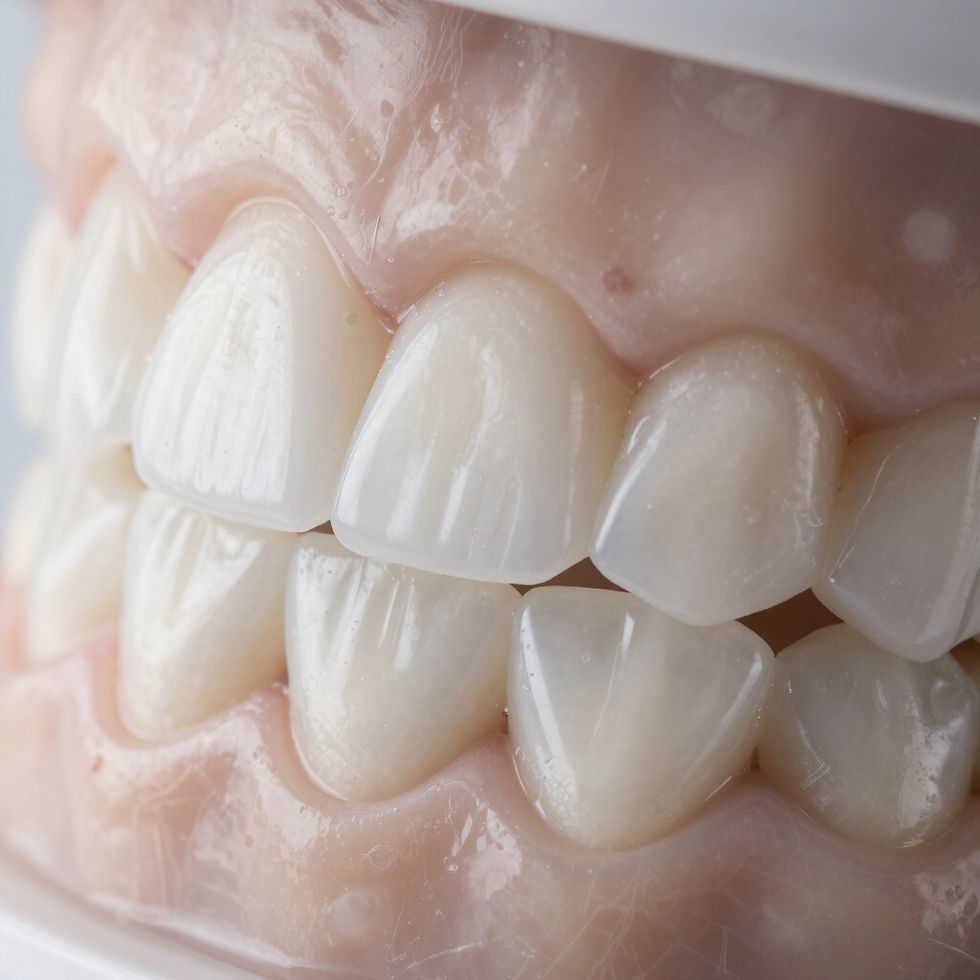
BIOACTIVE & REPARATIVE MATERIALS
Contemporary pulp-preserving dentistry utilizes advanced categories of materials formulated to interact positively with dental tissues. These include bioactive calcium-silicate materials, bioceramic materials, and specialized pulp-protective materials. Further integrated into these workflows are reparative biomaterials and advanced dentine-bonding and adhesive systems designed to maintain long-term restorative integrity. The general purpose of these materials is focused on protecting remaining pulp tissue, encouraging reparative hard-tissue formation, and supporting a favourable biological environment within the tooth. By creating an exceptionally effective seal, these systems support conservative restoration and help preserve natural tooth structure. Material selection is individualized according to the clinical condition rather than following a one-material-fits-all approach. These materials are strategically employed to support biological function and long-term tooth integrity, acknowledging that each clinical scenario requires a specific, evidence-based choice. The focus remains on maintaining the natural vitality of the tooth through the use of materials that mimic or support the tooth's innate defensive mechanisms, providing the best possible environment for pulp recovery and continued functional success in pulpal health management.
WHAT ARE THE ALTERNATIVES TO ROOT-CANAL TREATMENT?
REGENERATIVE & REPARATIVE BIOLOGICAL APPROACHES
In carefully selected cases, we may use conservative biological approaches designed to preserve healthy tooth structure, support the remaining dental tissues and encourage the tooth’s natural reparative capacity. Depending on the individual clinical situation, these approaches may incorporate advanced regenerative, reparative, bioactive and restorative strategies.
The exact approach is determined only after a detailed clinical and radiographic assessment. Every tooth presents a different combination of biological condition, structural integrity and healing potential, so treatment is individualized rather than based on a single standard protocol.
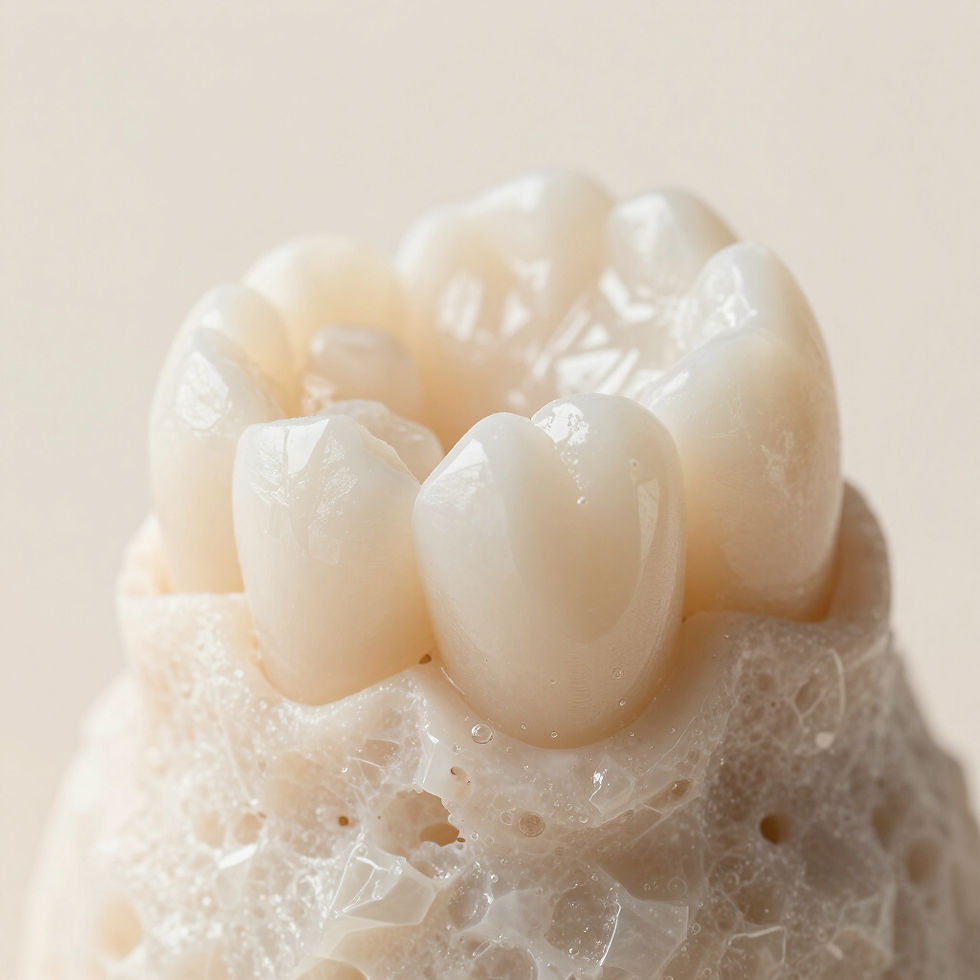
Regenerative approaches

Reparative approaches

Bioactive support
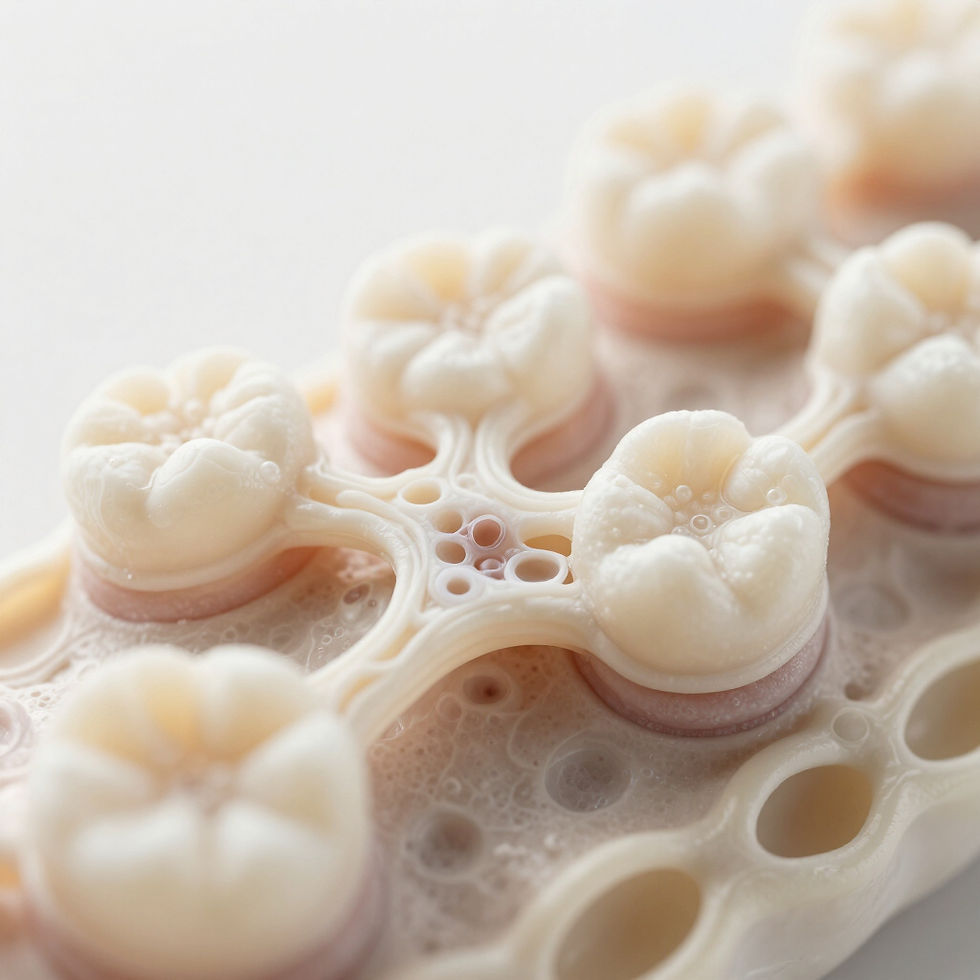
Pulp – Regenerative strategies
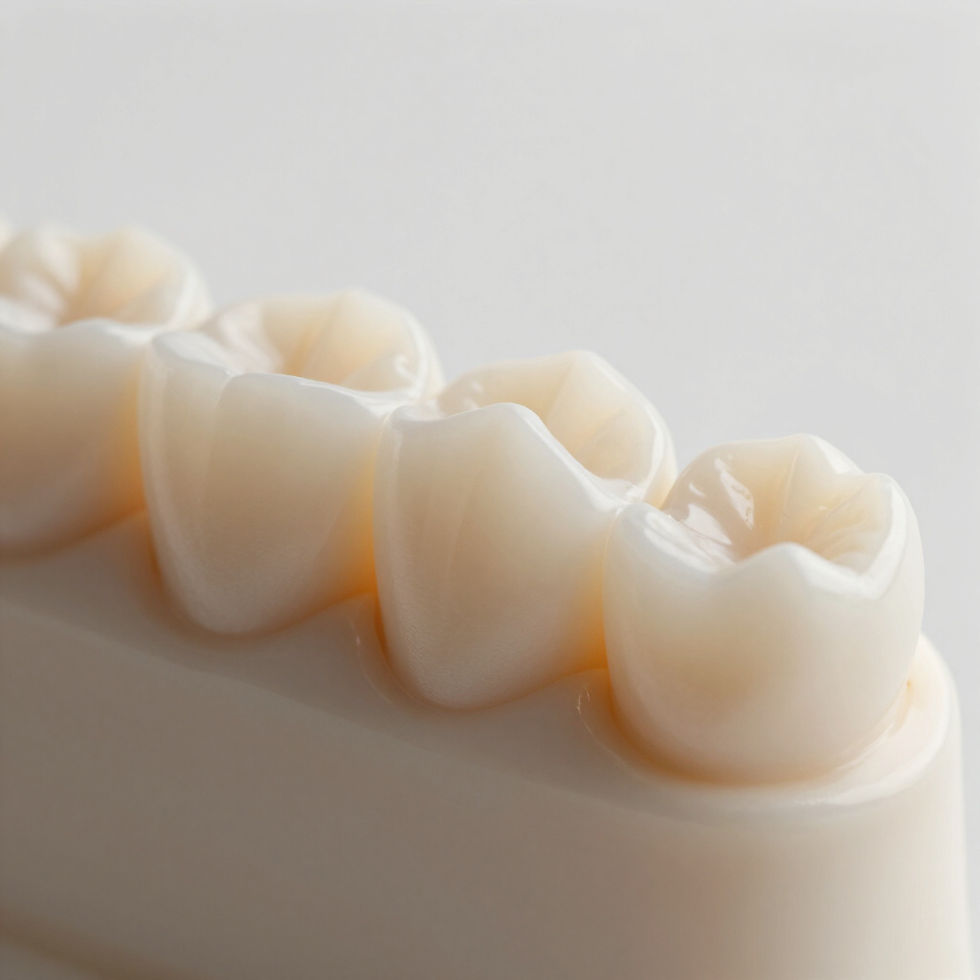
Conservative restorative approaches
Different teeth require different biological strategies. Our goal is to preserve healthy tissue whenever clinically possible.
The specific clinical protocol is selected by the treating dentist after assessment and is individualized to the condition of the tooth.
PRESERVING THE PULP IS ONLY PART OF THE TREATMENT
The final restoration and seal are critical to long-term success.
The long-term clinical success of vital pulp therapy is fundamentally dependent on the quality of the definitive restoration. While successfully managing internal inflammation is essential, the biological environment within the tooth must be protected from external challenge through an impeccable coronal seal. Effective sealing prevents bacterial leakage at the restoration margins, a primary factor in secondary pulp failure and the re-emergence of internal pathology.
Modern restorative protocols prioritize the preservation of remaining tooth structure, utilizing the principles of adhesive dentistry and biomimetic science. By mimicking natural tooth biomechanics and structure, we can better distribute functional loads and manage occlusal forces. This structural stability is critical for preventing fracture under the stresses of daily load distribution. Pulp preservation is not an isolated event; it is an integrated clinical process where biological management and structural protection are inseparable.Coronal sealing serves as the primary barrier against microleakage, ensuring the bioactive reparative materials remain isolated and functional. This functional protection, balanced with biomimetic restorative principles, facilitates the long-term structural integrity of the restored tooth. Ultimately, pulp preservation cannot be considered clinically successful without the timely and precise application of a definitive restoration that ensures biological homeostasis and functional longevity for the lifetime of the tooth.
PRESERVE
RESTORE
Biological treatment is not complete until the tooth has been appropriately restored and sealed.
PROTECT
SEAL
CAN A SIGNIFICANTLY INFLAMED PULP STILL BE PRESERVED?
Traditional endodontic concepts often classified significant pulp inflammation as a definitive indication for complete pulp removal and root-canal therapy. However, contemporary research has fundamentally shifted this perspective. Modern studies have extensively investigated partial and full pulpotomy in selected permanent teeth, demonstrating that success is achievable even in cases diagnosed with symptomatic irreversible pulpitis. The core biological principle governing these advancements is that: “Inflammation does not automatically mean that every portion of the pulp is irreversibly damaged.” By selectively removing only the diseased tissue, we can often preserve the remaining healthy radicular pulp, maintaining the tooth's natural defensive and sensory functions.
The suitability for these conservative approaches is not universal and depends on a rigorous clinical assessment. Key factors include the accuracy of the initial diagnosis, the observable pulp condition during the procedure, and precise clinical findings. Successful outcomes are also dependent on effective bleeding control (haemostasis), the ability to maintain a strictly controlled treatment field through isolation, and the overall restorability of the tooth. Furthermore, the ability to obtain an effective, high-integrity seal with bioactive materials is critical to preventing bacterial microleakage. While these treatments are evidence-based and highly effective for carefully selected cases, it is important to note that they are not appropriate for every tooth, and conventional root-canal treatment remains a vital and necessary tool when pulp recovery is no longer predictable. Modern pulp therapy has expanded the range of options available to carefully selected teeth.
HAVE YOU ALREADY BEEN TOLD YOU NEED A ROOT CANAL?
Before making an irreversible treatment decision, understand whether your tooth may have a conservative alternative.
A recommendation for root-canal treatment is a significant clinical milestone, and we believe it should be based on a comprehensive, individual assessment of the target tooth. Every clinical situation is unique, and modern biological dentistry offers pathways that prioritize the preservation of tooth vitality whenever the biological conditions allow. Our evidence-based evaluation process is meticulous. A careful assessment may include an analysis of your current symptoms and clinical findings, the overall pulp status and vitality, and the extent of any existing decay. We also examine the remaining healthy tooth structure, its long-term restorability, and detailed radiographic findings. Furthermore, we consider the health of surrounding tissues, the ability to effectively isolate the tooth during treatment, and the feasibility of achieving a superior, effective seal. We encourage patients to seek a careful, evidence-based evaluation before proceeding with treatment. This is not to suggest that root canals are inherently harmful, but rather that a conservative, tooth-specific approach ensures that all viable options for preserving natural tissue are explored. Our goal is to provide you with the clarity needed to make an informed decision based on clinical precision and a holistic understanding of your oral health.
A second opinion does not mean that root-canal treatment will always be avoided. It means that the individual tooth is carefully assessed before deciding.
ASSESS
DIAGNOSE
DISCUSS OPTIONS
TREAT

OZONE AS AN ADJUNCT TO BIOLOGICAL DENTISTRY
Medical-grade ozone serves as a sophisticated scientific adjunct within contemporary biological dentistry, specifically in the realm of restorative and pulp-preserving care. When applied to carious dentine and carefully prepared cavities, ozone acts to significantly reduce the local microbial load. This application supports a biologically cleaner field prior to the placement of restorative materials, which is crucial for long-term clinical success. The presence of ozone therapy contributes to physiological conditions that favour natural remineralization and the biological induction of reparative hard-tissue formation. As an essential component of a comprehensive biological protocol, ozone is integrated alongside precise clinical diagnosis, thorough caries removal, and strategic pulp management. The effectiveness of this adjunct is maximized when combined with meticulous isolation and the application of high-integrity sealing techniques. By prioritizing the preservation of natural tooth vitality, the use of ozone supports conservative strategies that aim to maintain the tooth's innate functional integrity. This science-driven approach aligns with the principles of systemic health by respecting the body’s own defensive mechanisms and promoting an environment conducive to pulpal recovery and tissue regeneration. The integration of such advanced oxidative tools reflects a commitment to evidence-based, minimally invasive restorative science where the protection of living dental tissue and the maintenance of oral homeostasis remain the primary objectives of clinical care.
WHAT DOES THE SCIENCE SAY?
Modern endodontic science is undergoing a significant paradigm shift, increasingly focusing on the biological preservation of dental pulp tissue. Systematic reviews and meta-analyses, indexed in peer-reviewed repositories such as PubMed, have consistently reported high success rates for Vital Pulp Therapy (VPT) in appropriately selected permanent teeth. These outcomes are not arbitrary but depend on a precise clinical triad: accurate diagnosis of pulp status, meticulous treatment technique—including effective haemostasis and isolation—and the application of advanced bioactive materials. Current evidence supports several pathways, including Indirect Pulp Treatment (IPT), where deep carious lesions are managed by leaving a thin layer of affected dentine to avoid exposure, and Direct Pulp Protection, used when a small exposure occurs. Furthermore, partial and full pulpotomies have emerged as predictable alternatives even in mature teeth with symptoms of pulpitis, provided that the underlying tissue remains healthy. The success of these procedures has been revolutionized by calcium-silicate and bioceramic materials. These substances are highly biocompatible and bioactive, facilitating the development of a reparative dentine bridge and inducing natural healing. However, these biological approaches are not a universal substitute for conventional root canal therapy; root canals remain a necessary and vital standard of care for teeth where pulp recovery is clinically unfeasible. Predictable long-term success is also heavily contingent on the definitive restoration. A high-integrity coronal seal is mandatory to prevent microleakage and secondary bacterial infection, ensuring the biological environment remains stable for years to come. By following professional endodontic guidelines and evidence-based protocols, we aim to maintain tooth vitality and functional longevity.
Research Highlights: Peer-reviewed studies indicate success rates for pulpotomies in mature teeth often exceed 85% to 90% when using bioceramic materials and achieving an immediate, high-quality seal.
DIAGNOSE
TREAT
SEAL
MAINTAIN
Systematic reviews confirm high success rates for vital pulp therapy in select teeth. Outcomes rely on precise diagnosis, case selection, technique, materials, and sealing. These findings align with PubMed-indexed research and professional endodontic guidance.
Pulp Therapy Common Questions
What exactly is pulp therapy?
Pulp therapy is a conservative dental treatment aimed at saving and preserving the living tissue (the pulp) inside your tooth. By removing only the diseased portion and treating the rest with biocompatible materials, we help the tooth heal naturally rather than removing the entire nerve system.
How does it differ from a standard root canal?
A standard root canal removes 100% of the tooth's internal living tissue, effectively 'mummifying' the tooth. Biological pulp therapy focuses on partial removal, keeping the remaining tissue alive and functional, which maintains the tooth's natural defense mechanisms and resilience.
Is pulp therapy a painful procedure?
Not at all. The procedure is performed under local anesthesia, ensuring you are comfortable throughout. Because it is less invasive than a traditional root canal, many patients find the recovery period even smoother and more predictable.
What are the biological alternatives to root canals?
Alternatives include Vital Pulp Therapy (VPT), direct and indirect pulp capping, and partial pulpotomies. We use biocompatible bioceramics and medical-grade ozone to disinfect and encourage the tooth to repair itself from within.
Can every tooth be saved with pulp therapy?
While our goal is conservation, the success depends on the stage of inflammation. During our clinical assessment, we determine if the pulp is still 'vital' and capable of healing. If the tissue is irreversibly damaged, we will discuss the best alternative options.
What materials are used in biological dentistry?
We use bioactive materials like mineral trioxide aggregate (MTA) or other bioceramic cements. These are 'biocompatible,' meaning the body accepts them without toxic reactions, and they actually stimulate the tooth to form new dentin.
How long does a pulp therapy treatment last?
With a high-quality seal and proper oral hygiene, a treated tooth can last just as long as any other natural tooth. The key factor is the 'seal' provided by the final restoration, which prevents new bacteria from entering the tooth.
Why prioritize keeping the pulp alive?
A living tooth has its own immune response and sensors that signal if something is wrong. Once the pulp is removed, the tooth becomes brittle and the body can no longer fight internal infections effectively. Vitality is the body's natural protection.
Is ozone therapy necessary during the procedure?
We highly recommend medical-grade ozone. It is a powerful antimicrobial that reaches deep into micro-canals where traditional liquids might not, ensuring a sterile environment for the bioactive materials to work their magic.
What is the next step if I have tooth pain?
The first step is a clinical assessment. We use advanced diagnostics to evaluate the level of inflammation and structural integrity. From there, we'll discuss the most conservative biological approach to restore your comfort and health.