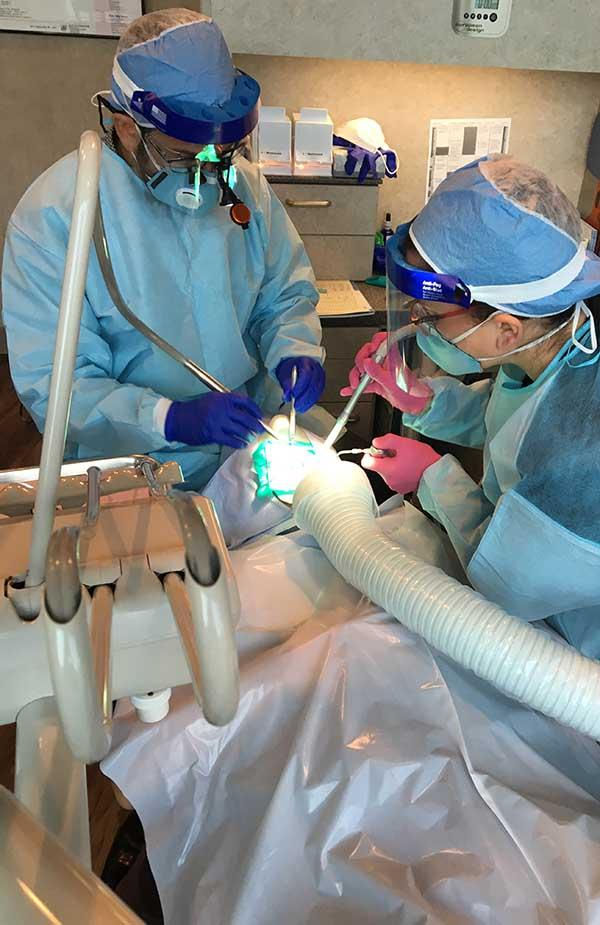
SAFE AMALGAM REMOVAL
Removing an amalgam filling is not the same as removing an ordinary filling.
Dental amalgam is a metallic restorative material that contains elemental mercury. When an amalgam restoration is disturbed during dental treatment, mercury-containing vapour and particulate may be released.
For this reason, the method used to remove an amalgam restoration matters.
At Sai Holistic Dental Care, we follow a biological approach to amalgam removal, with particular attention to reducing unnecessary exposure to the patient, controlling the treatment environment and carefully managing the restoration during removal.
Our objective is not simply to "take out the filling".
It is to remove the amalgam in a carefully controlled clinical environment and then restore the tooth with an appropriate mercury-free restorative material.
OUR APPROACH
A CONTROLLED BIOLOGICAL APPROACH
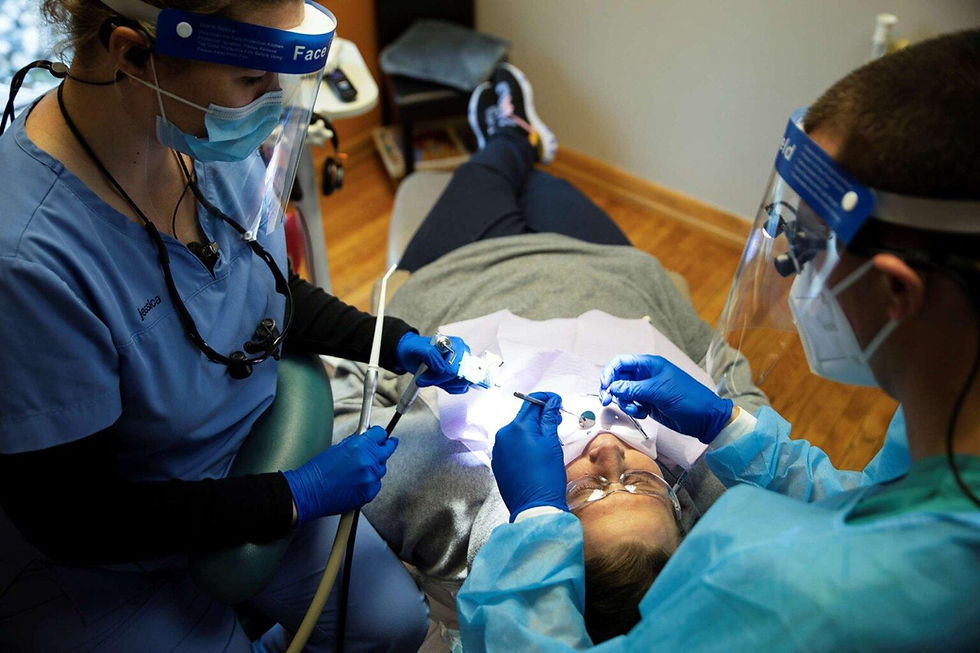
Every amalgam removal procedure begins with an assessment of the tooth and the existing restoration. The patient's individual circumstances and the condition of the tooth are considered before treatment is planned. During removal, special attention is given to patient protection, isolation, control of vapour and particulate, environmental protection and careful handling of the removed material.
Safe amalgam removal is about controlled removal and exposure reduction — not simply drilling out an old filling.
MERCURY TOXICITY AND DENTAL AMALGAM
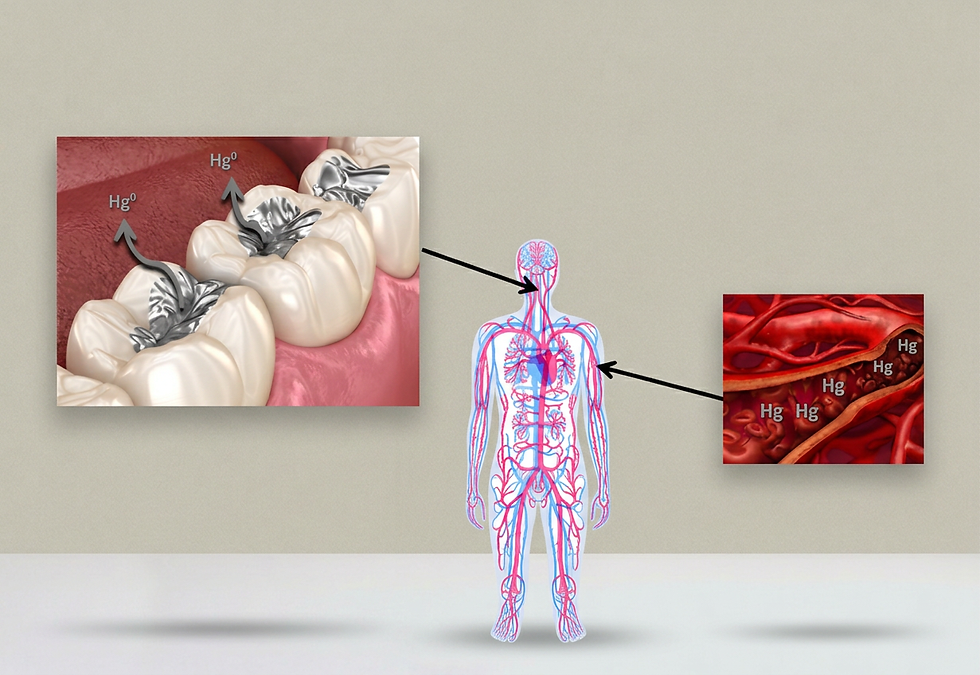
Dental amalgam contains approximately 50% elemental mercury by weight. Although mercury is incorporated into the metallic restorative material, small amounts of mercury vapour can be released from amalgam restorations during normal activities such as chewing and tooth brushing, and additional exposure can occur when restorations are mechanically disturbed during dental procedures.
Elemental mercury vapour is readily absorbed through the lungs and can enter systemic circulation. Mercury can cross biological barriers, including the blood–brain barrier and placenta. Following absorption, mercury can interact with cellular proteins and biochemical pathways, including sulfhydryl-dependent enzymes, antioxidant systems and mitochondrial processes.
Mercury is a recognised neurotoxic, nephrotoxic and immunotoxic substance. Significant or prolonged exposure has been associated with effects involving the nervous system, renal function and immune regulation. Clinical effects depend on the dose, duration and route of exposure as well as individual susceptibility. Particular caution is warranted during fetal development, infancy and childhood because the developing nervous system is more vulnerable to toxic exposures.
The World Health Organization recognises mercury as a major public-health concern and identifies neurological, renal, immune, respiratory and other health effects associated with mercury exposure. WHO also identifies dental amalgam as a source of mercury exposure.
Under the Minamata Convention on Mercury, countries are required to implement measures to phase down dental amalgam. These measures include excluding or recommending against its use in deciduous teeth, children under 15 years of age, and pregnant and breastfeeding women, except when considered clinically necessary by the dental practitioner based on the patient's needs.
This is one reason biological dentistry places particular emphasis on mercury-free restorative materials and carefully controlled removal of existing amalgam restorations.
WHY SAFE AMALGAM REMOVAL MATTERS
Controlled, biological amalgam removal is essential to prevent the release of mercury vapor and particles during treatment. By using specialized safety protocols, we shield your entire system from unnecessary exposure, supporting your long-term whole-body health.
REFERENCES
World Health Organization. Exposure to Mercury: A Major Public Health Concern. 2nd ed. WHO; 2021.
World Health Organization. Report of the Informal Global WHO Consultation with Policymakers in Dental Public Health: Monitoring Country Progress in Phasing Down the Use of Dental Amalgam. WHO; 2022.
World Health Organization. WHO Guideline on Environmentally Friendly and Less Invasive Oral Health Care for Preventing and Managing Dental Caries. WHO; 2026.
United Nations Environment Programme. Minamata Convention on Mercury. UNEP.
U.S. Food and Drug Administration. Dental Amalgam Fillings. FDA.
International Academy of Oral Medicine and Toxicology (IAOMT). The Safe Mercury Amalgam Removal Technique (SMART).
International Academy of Oral Medicine and Toxicology (IAOMT). Position Paper Against Dental Mercury Amalgam Fillings.
Mutter J. Is dental amalgam safe for humans? The opinion of the scientific committee. Journal of Occupational Medicine and Toxicology. 2011;6:2.
Richardson GM, Wilson R, Allard D, Purtill C, Douma S, Gravière J. Mercury exposure and risks from dental amalgam: an updated review.
ATSDR. Toxicological Profile for Mercury. Agency for Toxic Substances and Disease Registry.
WHY DOES THE WAY AMALGAM IS REMOVED MATTER?

Dental amalgam is a metallic restorative material that contains elemental mercury. Mercury-containing vapour and particulate can be released from amalgam during dental procedures, particularly when the restoration is disturbed.
For this reason, removing an amalgam restoration should not be approached like an ordinary filling replacement.
The objective of a biological amalgam-removal protocol is to minimise unnecessary exposure to the patient, dental team and clinical environment while allowing the restoration to be removed and the tooth to be appropriately restored.
At Sai Holistic Dental Care, we therefore place particular emphasis on preparation, isolation, source capture, environmental protection and controlled removal.

Safe removal is about controlling exposure — not simply removing the filling.
A BIOLOGICAL APPROACH TO AMALGAM REMOVAL
Our approach to amalgam removal is focused on meticulous planning and execution to ensure the highest standards of safety and care. By integrating biological principles with advanced clinical techniques, we aim to minimize mercury exposure and promote optimal healing and restoration for every patient.

PATIENT PROTECTION
Protective measures are planned before treatment begins.

ISOLATION
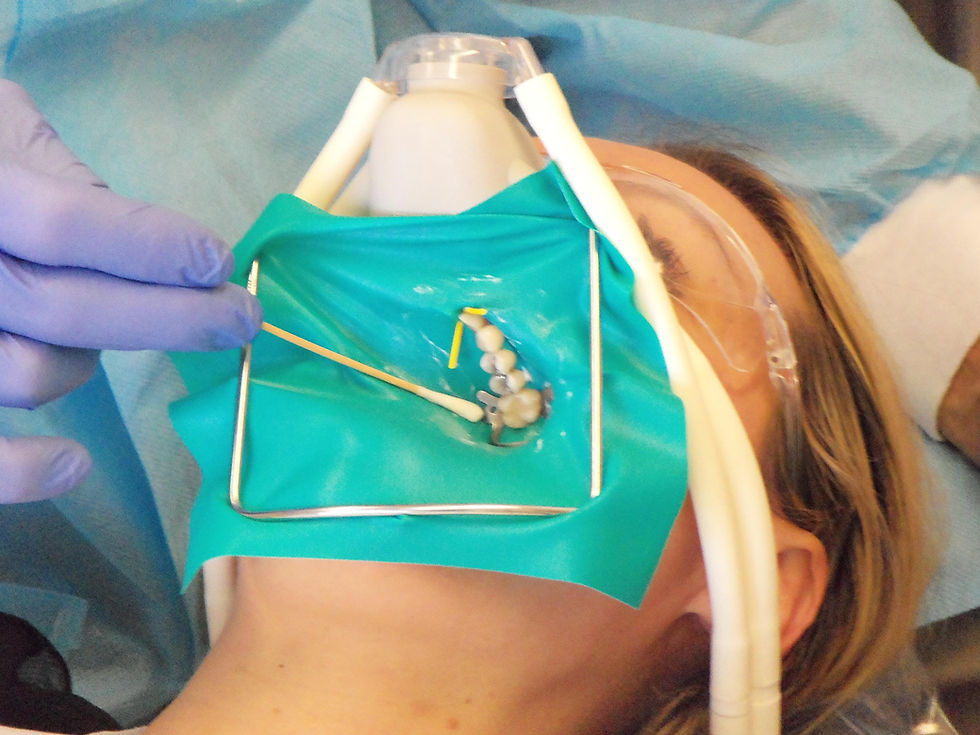
The treatment area is carefully isolated to reduce unnecessary spread of material.

SOURCE CAPTURE
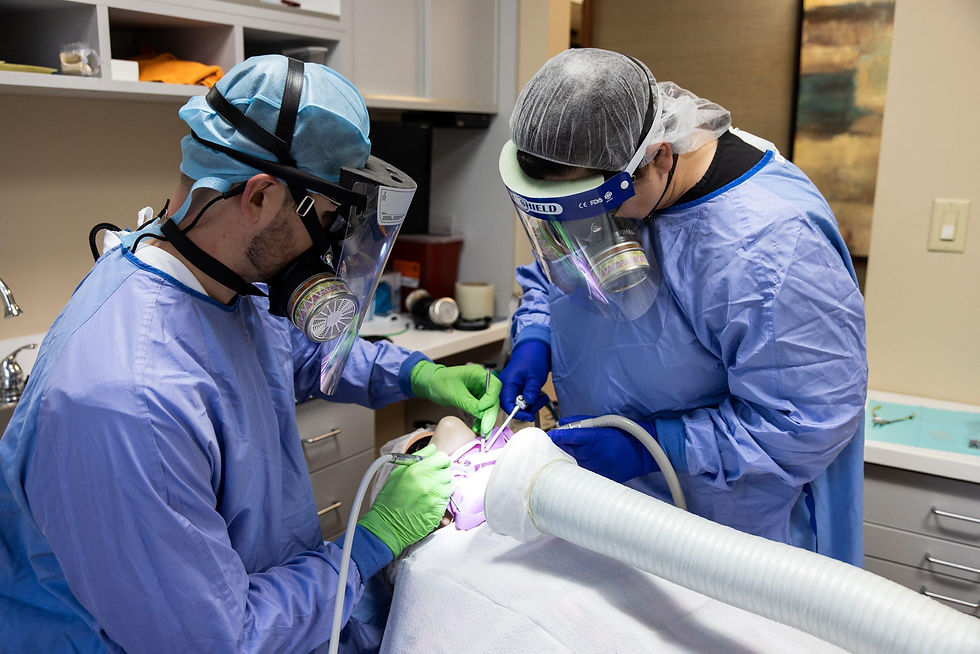
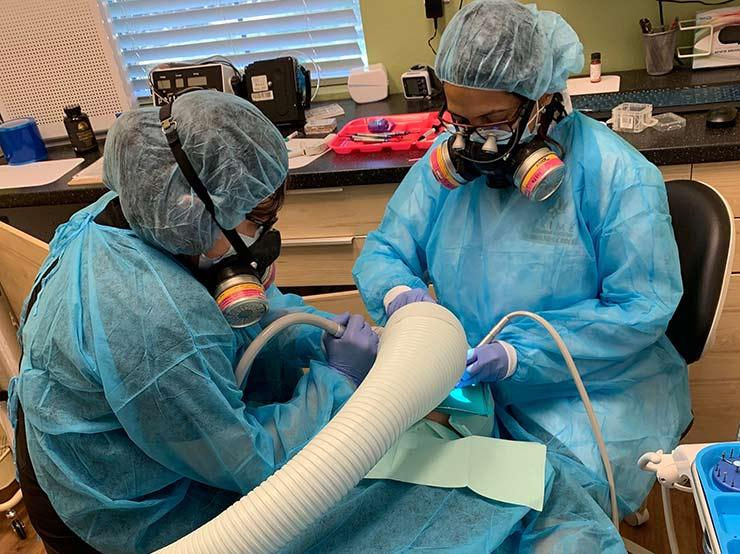
Specialised suction and environmental controls are used to capture vapour and particulate close to the source.
CONTROLLED REMOVAL
The restoration is removed in a controlled manner designed to minimise unnecessary disturbance.

ENVIRONMENTAL CONTROL
The operatory and contaminated materials are managed with appropriate mercury-safety considerations.
BIOLOGICAL RESTORATION
After removal, the tooth is assessed and restored with an appropriate mercury-free material.
THE "SMOKING TOOTH" — WHAT ARE YOU SEEING?
One of the most striking educational tools utilized in biological dentistry is the 'Smoking Tooth' demonstration. This presentation illustrates that when an amalgam restoration is subjected to specific conditions that trigger mercury release, a visible mercury vapour can be detected under specialized visualization techniques. While this vapour is typically invisible to the naked eye, organizations like the IAOMT use these methods to provide scientific evidence of its presence during dental procedures. The essential takeaway for clinical safety is that disturbing the restoration significantly increases the release of mercury-containing vapour and particulate, necessitating that amalgam removal be conducted with appropriate precautions to ensure patient and environmental safety.
"THE SMOKING TOOTH DEMONSTRATION MAKES AN INVISIBLE EXPOSURE VISIBLE."
Educational demonstration of mercury vapour associated with dental amalgam.
YOUR AMALGAM REMOVAL JOURNEY
ASSESS
We evaluate the existing amalgam restoration through radiographs and clinically, along with the tooth and surrounding structures.
01
PLAN
We discuss the clinical findings, restoration options and the appropriate approach for your individual situation.
02
PROTECT
Before treatment begins, patient protective and environmental protection measures are set.
03
REMOVE
The amalgam is removed following our biological holistic removal protocol.
04
RESTORE
The tooth is restored using a suitable mercury-free, BPA free and fluoride free restorative material selected according to the clinical situation.
05
WHY NOT SIMPLY DRILL OUT THE AMALGAM?

THE GOAL IS NOT JUST REMOVAL. THE GOAL IS CONTROLLED REMOVAL.
An amalgam restoration can be removed quickly with conventional drilling, but the biological approach asks a different question:
How can the restoration be removed while minimising unnecessary exposure during the procedure?
Disturbing amalgam can generate vapour and fine particulate. Therefore, the objective of a mercury-safe removal protocol is to control the environment around the procedure rather than relying on ordinary drilling alone.
This is why patient protection, isolation, high-volume source capture, water cooling, environmental control and careful handling of contaminated materials are important components of mercury-safe amalgam removal protocols.
WHAT HAPPENS AFTER THE AMALGAM IS REMOVED?
AFTER AMALGAM REMOVAL
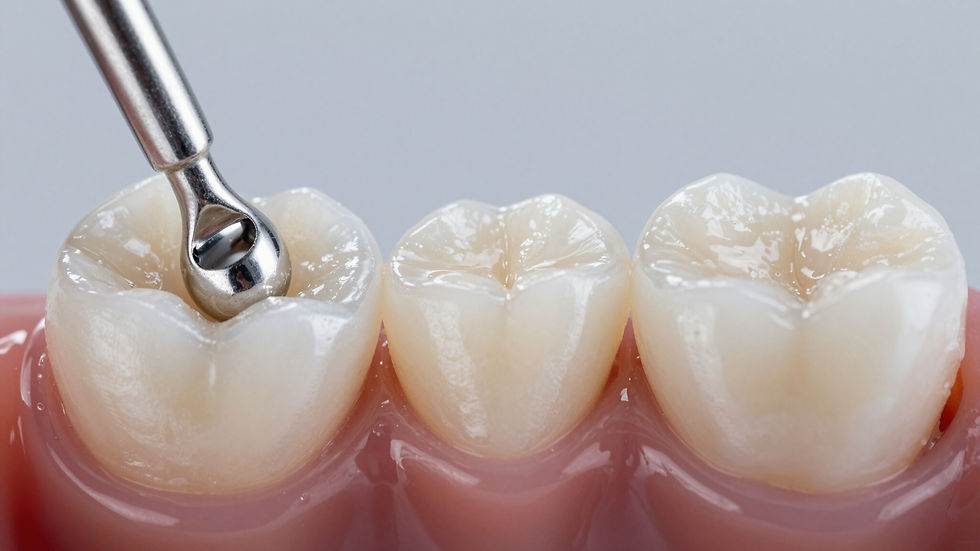
Once the amalgam has been removed, the tooth is reassessed radiographically and clinically to assure no amalgam specks are left behind.
BIOCOMPATIBLE RESTORATION
The appropriate restorative solution depends on the amount of remaining healthy tooth structure, the size and location of the restoration, functional requirements, aesthetics and the individual clinical situation. Where appropriate, mercury-free restorative materials include ceramic-based options which are fluoride and BPA free.
Our aim is to restore the tooth while preserving healthy structure and providing appropriate function and aesthetics.

READY TO DISCUSS YOUR AMALGAM FILLINGS?
If you have existing amalgam fillings and would like to understand whether removal is appropriate for you, we can assess your dental situation and discuss the available options.